
Gauged Porcelain Paver Testing
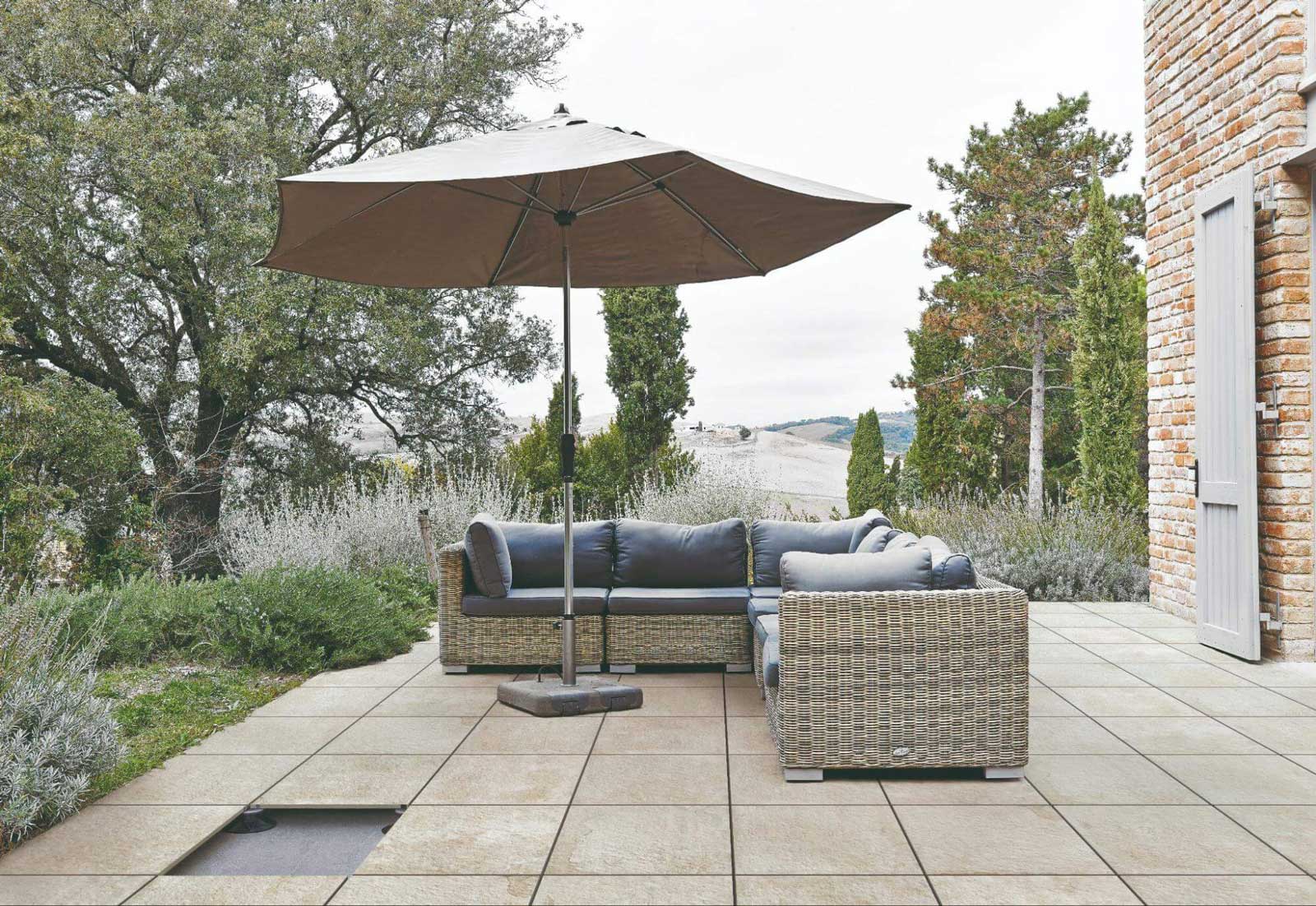
IPA Laboratories commonly performs these tests on gauged porcelain pavers with a thickness of 2 cm and greater, including those for testing for compliance with ANSI A137.3 specifications.
For more information about tests that comply with ANSI 137.3, download our 2 cm Gauged Porcelain Pavers testing checklist.
Available Tests
| ANSI A137.3 – Section 5.3.11 | Compressive Strength |
|---|---|
| ANSI A137.3 – Section 8.5 | Bond Strength |
| ANSI A137.3 – Section 8.6 | Soft Body Impact |
| ANSI A137.3 – Section 8.7 | Hard Body Impact |
| ANSI A326.3 | Dynamic Coefficient of Friction (DCOF) |
| ASTM C372 | Linear Thermal Expansion |
| ASTM C373 | Water Absorption |
| ASTM C424 | Crazing Resistance |
| ASTM C484 | Thermal Shock Resistance |
| ASTM C485, ASTM C499, ASTM C502 | Warpage, Facial and Thickness Dimensions, and Wedging |
| ASTM C609 | Light Reflectance Value & Small Color Differences |
|---|---|
| ASTM C895 | Lead & Cadmium Extracted From Glazed Ceramic Tile |
| ASTM C650 | Chemical Resistance |
| ASTM C1026 | Freeze-Thaw |
| ASTM C1243 | Deep Abrasion |
| ASTM C1378 | Staining Resistance |
| ASTM C1505 | Breaking Strength and Modulus of Rupture (MOR) |
| ASTM C1895 | Mohs Scratch Hardness |
| DIN EN 16165 (formerly DIN 51130) | German Ramp Test (R Classification) [video] |
Comprehensive Testing
Broad array of ISO 17025-accredited tests for ASTM, ANSI and ISO standards, as well as customized testing for research and development.
Unparalleled Experience
Lab staff with over 125 years of combined experience in product evaluation and research.
Multidisciplinary Expertise
Engineers and scientists on staff, combined with additional collaboration with Clemson University and others.
Standards Insight
Participation and leadership in more than 20 international standards committees, providing unmatched knowledge into standards and testing methods.
Additional Resources

How do you really know a product meets quality standards? In today’s market, claims of performance, safety, and reliability are

After many years and hundreds of hours of research by International Product Assurance (IPA) Laboratories, ANSI A137.3 American National Standard
DIN 16165 (formerly DIN 51130), the German standard commonly referred to as the German Ramp Test, is used in the determination of anti-slip properties of floor coverings. Combine this test with ANSI A326.3 DCOF to evaluate friction properties of a flooring material.

Find your test.
Search for a test in the list above. If you don’t see the test you need, please contact us for custom testing options.


Ship samples.
Ship the necessary samples to the following address:
International Product Assurance Laboratories
Attention: (add your order number)
100 Clemson Research Blvd.
Anderson, SC 29625